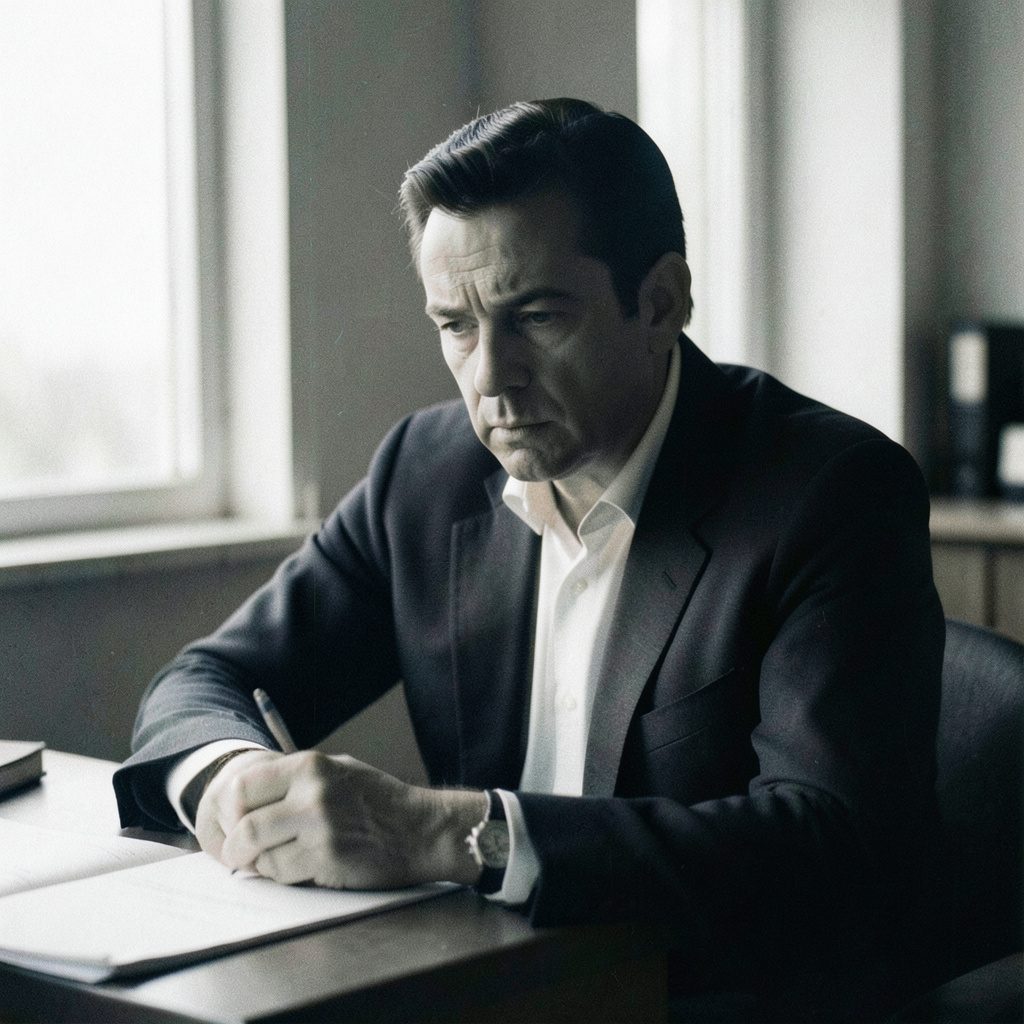
In a statement that has drawn attention across Nagpur, the Commissioner of Police made clear that wrongdoing will not be tolerated under the guise of activism. The remarks underscore a firm stance on maintaining public order while acknowledging the legitimate space for civic expression.
The statement comes amid broader conversations about where the line is drawn between protected protest and actions that cross into unlawful territory. Officials emphasized that while peaceful activism remains a cornerstone of democratic society, it cannot serve as a shield for conduct that violates the law or endangers public safety.
Local community responses have been mixed, with some welcoming the clarity and others urging caution to ensure that legitimate dissent is not inadvertently chilled. The discussion reflects a tension familiar in many jurisdictions: balancing robust civil liberties with the need to uphold legal standards.
The Nagpur context adds a regional dimension to a debate that resonates nationally, as authorities across India continue to navigate the boundaries of protest, speech, and accountability.
Professional athletes today navigate a complex landscape where their on-field performance intersects with financial strategy, brand development, and public responsibility. Across major leagues and collegiate programs, players increasingly engage with name, image, and likeness opportunities that reshape how careers are built beyond the game itself. Meanwhile, front offices and scouting departments rely on data-driven analysis to evaluate talent, project growth, and manage roster construction within the constraints of salary caps and budget allocations. From football and basketball to baseball and motorsports, the business of sport continues evolving as organizations seek sustainable models that balance competitive ambition with fiscal discipline, all while fans follow every roster move, draft pick, and season-defining decision with unwavering attention.